.svg)




When we think about kitchen pollution, we usually think about smoke, cooking smells and grease. But some of the most important pollutants produced during cooking are invisible, odourless and far too small to see.
Every time you fry, grill, roast or even heat food, cooking can release fine particles, ultrafine particles, volatile organic compounds (VOCs), moisture and other airborne contaminants into your home. These impact the Indoor Air Quality of your home.
And if your rangehood isn't capturing and exhausting them effectively, they don't simply disappear. They spread throughout your home.
Cooking creates more than just smells
Cooking is a significant source of indoor air pollution. High-temperature cooking, particularly frying, searing and grilling, can generate airborne particles, moisture and other compounds as food, oils and fats are heated.
Gas cooking can introduce additional combustion products into the kitchen. Induction cooking isn't emission-free either. Even without combustion, heating oils, fats and food can still produce particles and VOCs.

So the question isn't simply: "Does my rangehood remove cooking smells?" The more important question is: "How effectively does my rangehood capture what cooking puts into the air?"
The pollution you can't see
Some cooking emissions are obvious. Smoke and steam are easy to recognise. Others are not. Fine and ultrafine particles can be extremely small and remain airborne, allowing them to travel beyond the immediate cooking zone.
This matters even more in today's open-plan homes, where the kitchen, dining and living areas are often one connected space. Without effective extraction, cooking emissions can migrate well beyond the cooktop. The air in your living room can contain pollutants that originated from cooking only moments earlier.
Airflow isn't the whole story
It's tempting to compare rangehoods simply by looking at their airflow figures. But a high extraction rate doesn't automatically mean better ventilation.
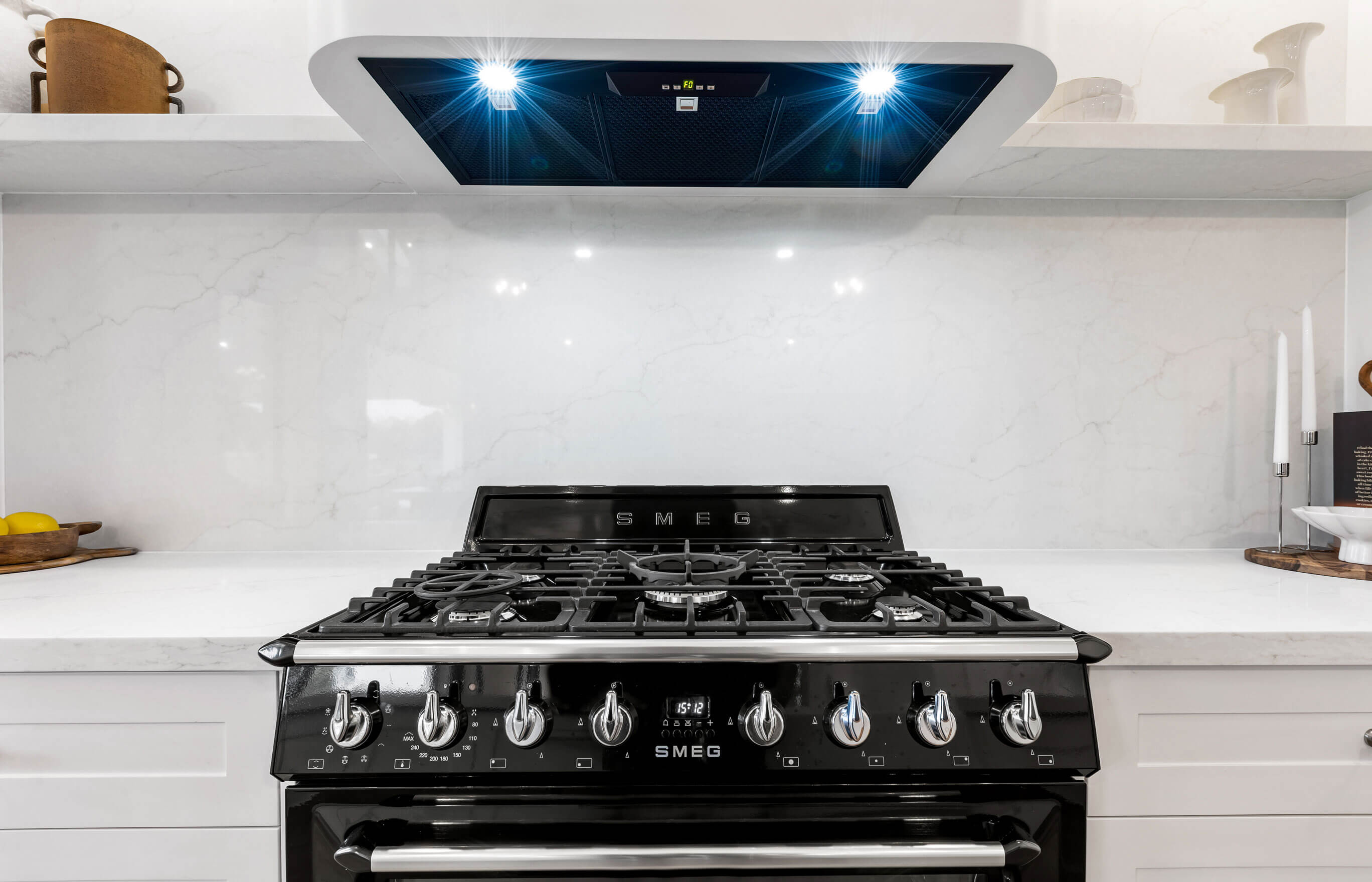
Effective kitchen ventilation starts with capture at the source. A rangehood needs to capture cooking emissions before they escape into the room and become dispersed.
Its performance can be influenced by:
- The size and shape of the canopy
- Its position over the cooktop
- The distance between the cooktop and rangehood
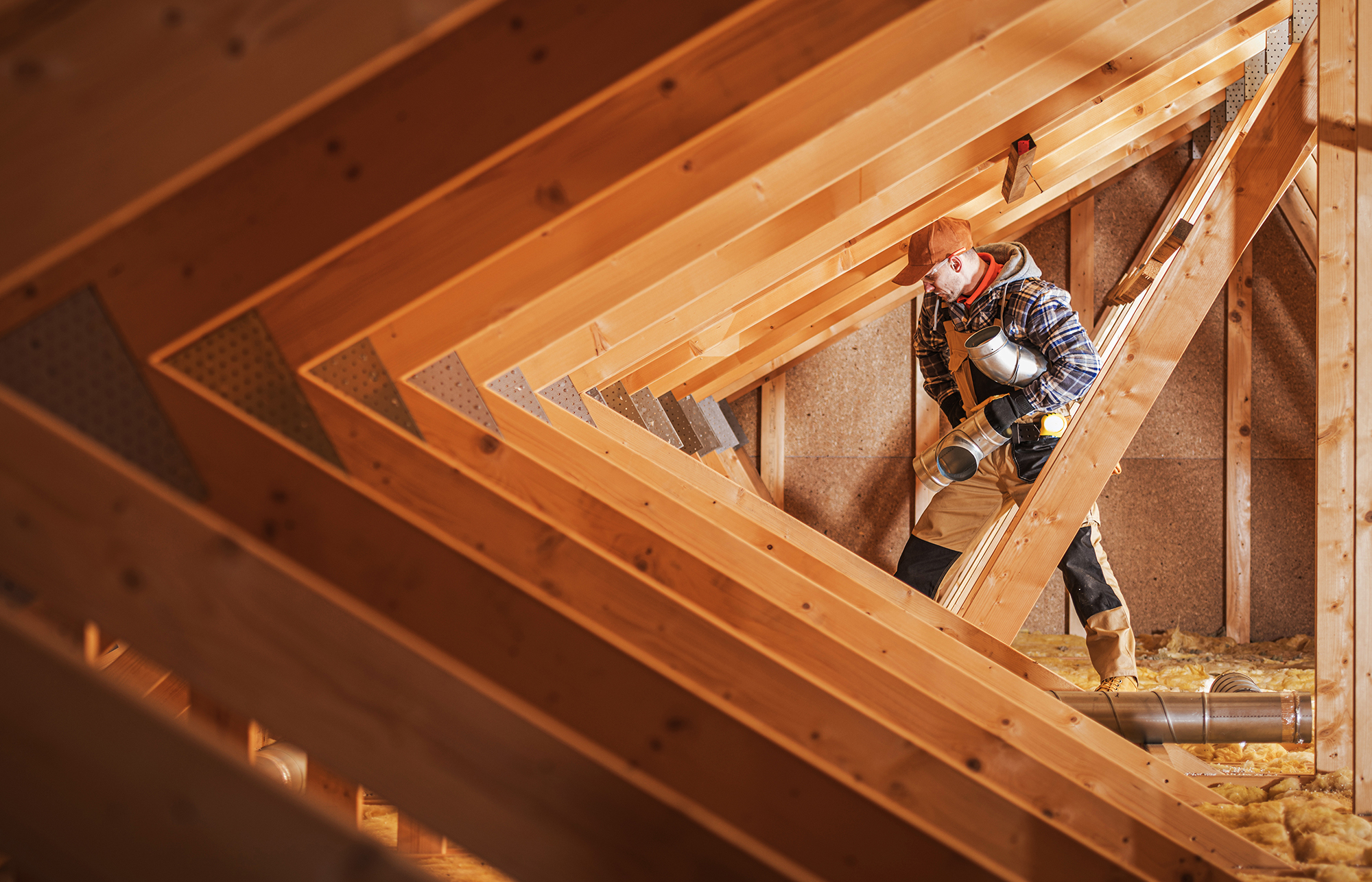
- Duct diameter and length
- The number of bends and restrictions in the duct
- Installation quality
- Cooking temperature and cooking style
- Motor position
- The system's ability to maintain airflow under resistance
In other words, moving air is not the same as effectively capturing cooking emissions.
Why capture matters
Think about the plume of hot air rising from a frying pan. When the rangehood captures that plume immediately, the airborne contaminants can be removed before they have a chance to spread.
But if the plume escapes around the front or sides of the canopy, those contaminants become part of the room's air. Once they're dispersed throughout an open-plan living space, capturing and removing them becomes considerably more difficult.
That's why effective kitchen ventilation begins with one fundamental principle: Capture air contaminants where they are created.
More than just removing smells
A rangehood shouldn't simply be considered an appliance for getting rid of yesterday's cooking odour. It’s more important role is managing the air pollution created by cooking.
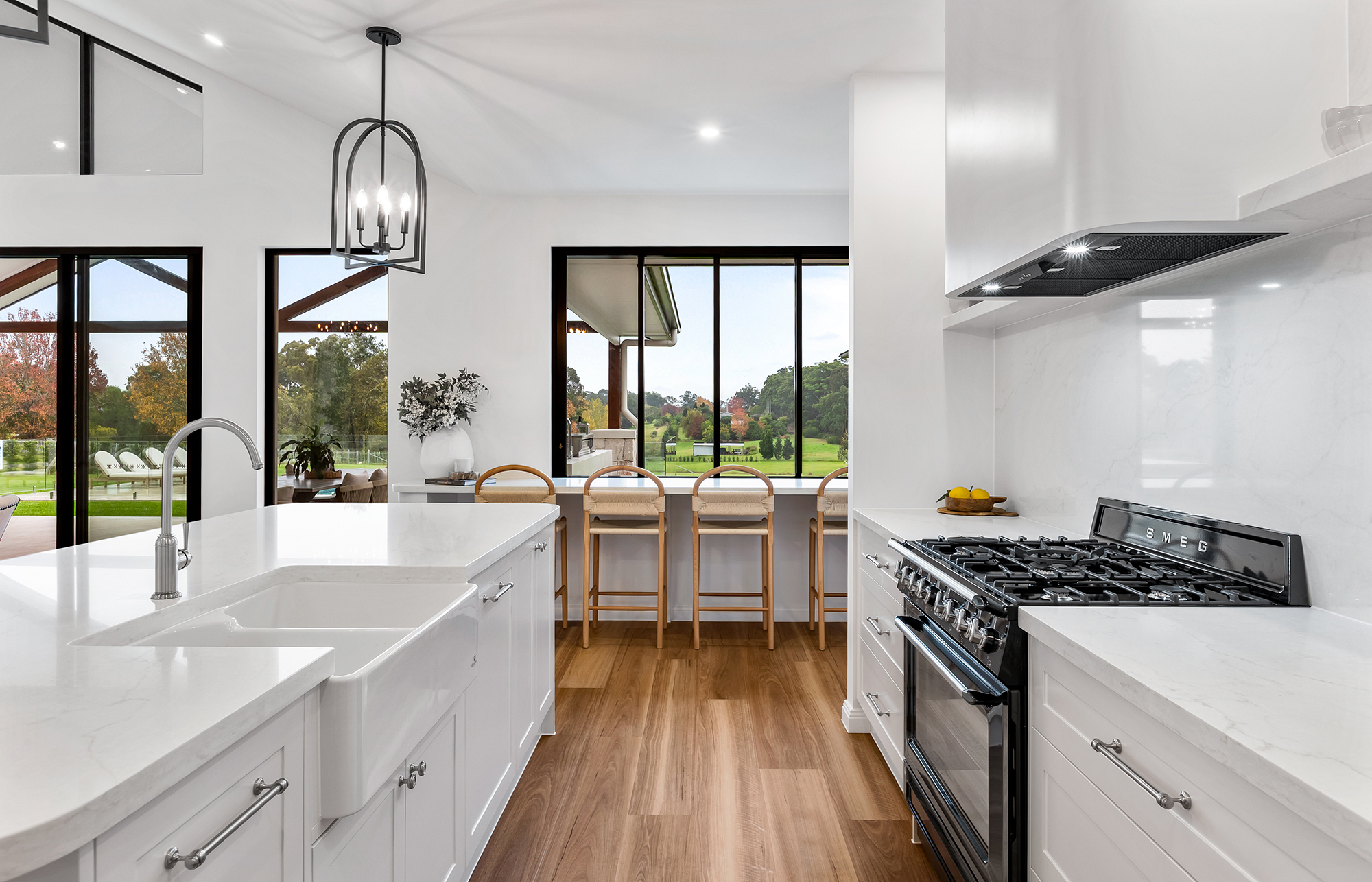
The best rangehood combines effective capture, efficient extraction and quality ducting - while operating quietly enough that you actually want to use it. Because there's little benefit in having a powerful rangehood if it's so noisy that you avoid turning it on.
What to look for in a rangehood
When choosing a rangehood, don't focus exclusively on the biggest airflow number on the specification sheet. Instead, ask:
- Does it capture effectively?
- Is it correctly sized for the cooktop?
- Is it properly ducted to the outside?
- Is the ducting designed to minimise resistance?
- Is the installation correctly configured?
- Will it be quiet enough to use every time you cook?
These questions can tell you far more about a ventilation system's real-world performance than simply comparing m³/h figures between two brochures.
Think beyond the visible
Open-plan living has made our kitchens more connected to the rest of the home than ever before. But that also means cooking emissions can travel further than they once did. So perhaps it's time to think differently about your rangehood.

It's not simply about removing smoke, steam and cooking smells. It's about managing the air your cooking creates - including the pollutants you can't see.
Read more about Indoor Air Quality and check out this Silent Rangehood Buying Guide to pick the perfect one for your kitchen. For more information, reach out to a Schweigen Product Expert at 1300 881 693 or sales@schweigen.com.au today.