.svg)


When people think about air pollution, they imagine traffic congestion, bushfire smoke or industrial emissions. But one of the biggest sources of indoor air pollution actually comes from everyday cooking.
Simply cooking activities like frying, searing or using a gas cooktop release tiny airborne particles into the air. These pollutants are small enough to travel deep into the lungs and spread throughout the home, often lingering long after cooking has finished.
In fact, research has found that cooking indoors can sometimes create pollution levels similar to those found beside busy roads. And because Australians now spend around 90% of their time indoors – often in increasingly airtight homes - indoor air quality has become more important than ever.
Cooking Smoke is More Than Just Steam and Smells
The steam rising from your pan may seem harmless, but it can actually contain a mix of grease, smoke, gases and microscopic airborne pollutants created by heat, oils and combustion.
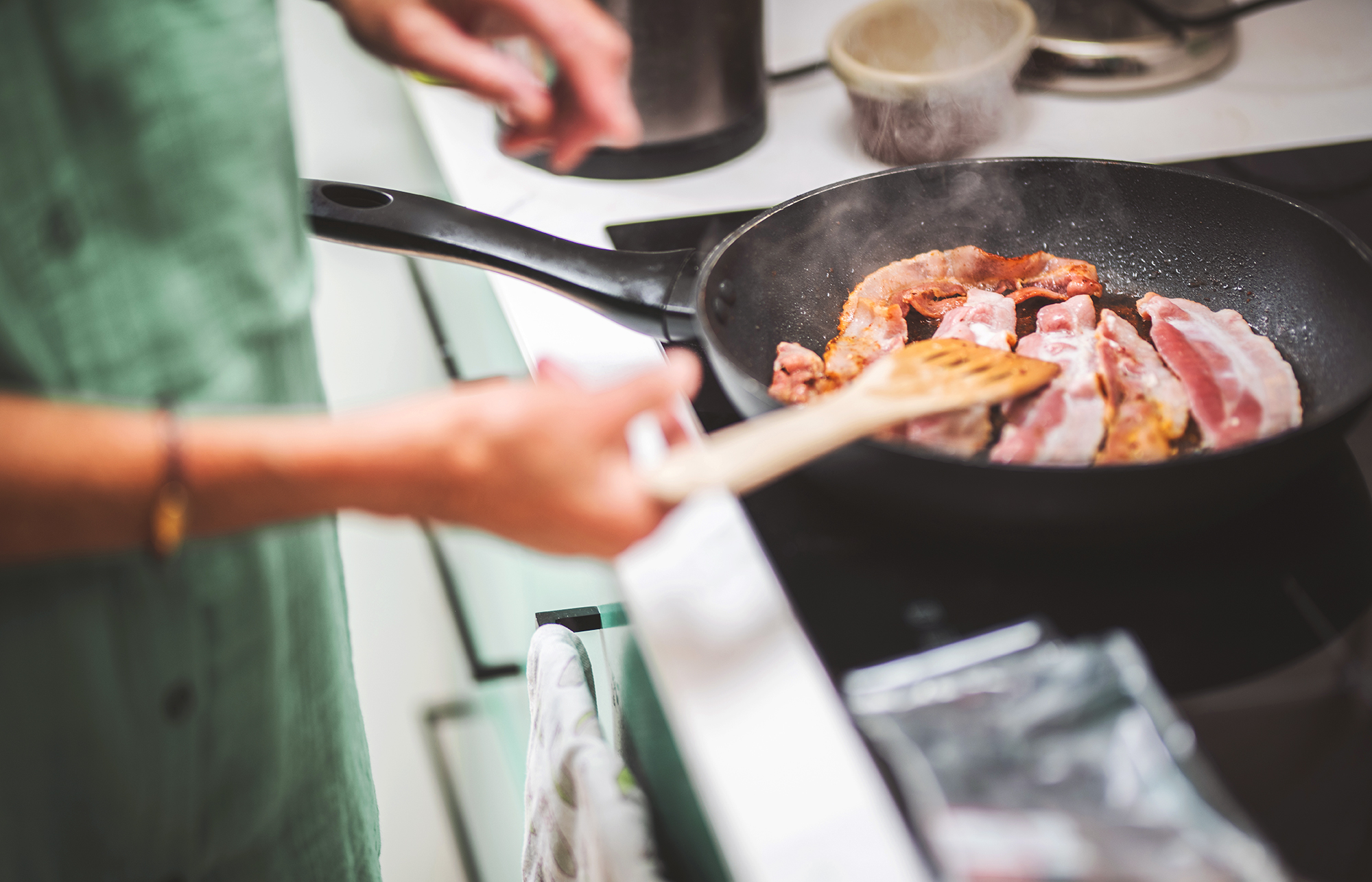
Many of these particles are invisible and can stay in the air for hours if they’re not properly ventilated. Common cooking pollutants include:
- Fine particles (PM2.5)
- Ultrafine particles
- Volatile organic compounds (VOCs)
- Nitrogen dioxide (NO₂)
- Carbon monoxide
- Formaldehyde and benzene
In open-plan homes, these pollutants can easily move beyond the kitchen, and settle into carpets, curtains, furniture and soft furnishings. Lingering cooking smells are often a sign that these particles are still circulating through the home.
Why PM2.5 is a Major Indoor Air Quality Concern
One of the most common pollutant produced during cooking is PM2.5 – tiny particles around 30 times smaller than a human hair.
These particles are created when oils, fats and food are heated at high temperatures. Everyday cooking methods like frying bacon, pan-searing steak or stir-frying can quickly increase PM2.5 levels indoors.
Because they’re so small, PM2.5 particles can travel deep into the respiratory system, and may contribute to:
- Respiratory irritation
- Coughing and wheezing
- Asthma flare-ups
- Poor indoor air quality

Without proper ventilation, these particles can remain trapped indoors long after the cooking is done.
The Added Risks of Gas Cooking
Gas cooking introduces another pollutant into the home: nitrogen dioxide (NO₂). Produced when gas burns, NO₂ has been linked to respiratory irritation and worsening asthma symptoms - particularly in children. Asthma Australia advises that gas appliances can negatively affect indoor air quality and may trigger asthma symptoms in sensitive households.
The challenge in many modern homes is that airtight construction and limited natural airflow allow pollutants like NO₂ to accumulate more rapidly indoors. Studies have shown that homes using gas cooktops experience significantly higher indoor pollution levels than those using electric or induction cooking.
Why Your Rangehood Matters
A quality ducted rangehood does more than remove smells. It helps capture smoke, grease and airborne particles at the source - before they spread throughout the home - and expels them outside.

To help improve indoor air quality while cooking, experts recommend:
- Turning the rangehood on before cooking starts
- Using higher extraction settings when frying
- Cleaning filters regularly
- Leaving the fan running after cooking
- Opening windows when possible
Good kitchen ventilation can help create a cleaner, fresher and more comfortable home environment for the whole family.
Who Benefits Most?
Clean indoor air benefits everyone, but it can be especially important to:
- Families with young children
- Older adults
- Asthma sufferers and people with respiratory conditions
- Households with poor or limited ventilation

For many households, silent kitchen ventilation can make a meaningful difference to overall health, comfort and wellbeing.
Creating a Healthier Home
As awareness grows around the impact that indoor air quality has on wellbeing, effective kitchen ventilation has become an essential part of modern home design.
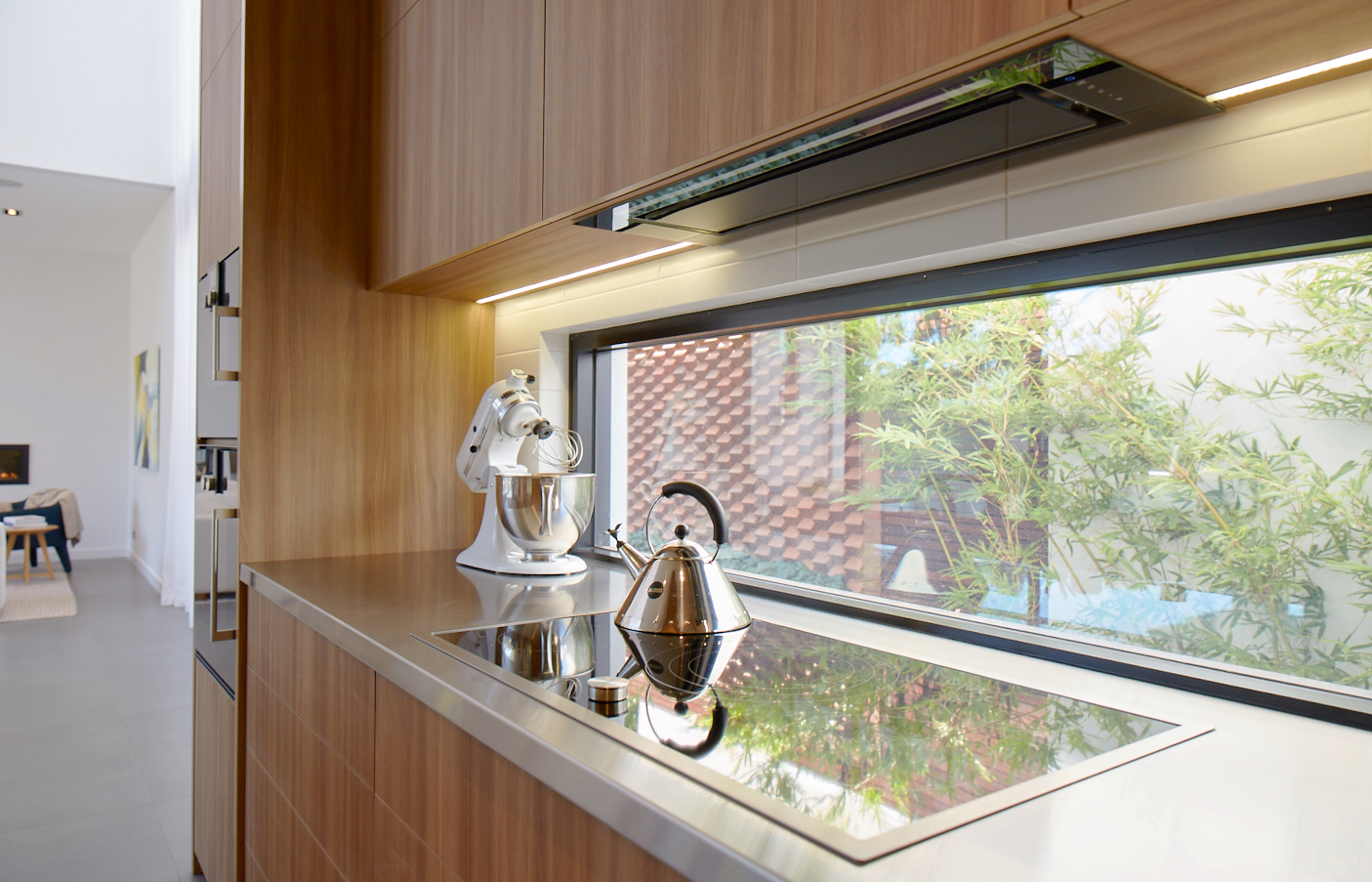
From reducing airborne pollutants to creating a cleaner, healthier living environment, the right rangehood is an investment in both long-term health and everyday quality of life.
With Schweigen’s silent, high-performance ventilation solutions - healthier living truly starts in the kitchen.