.svg)




Open-plan living has become the hallmark of modern homes. We love the natural light, spacious layouts and ability to stay connected while cooking, entertaining or spending time with family. But there's one downside many homeowners don't expect until they move in: noise.
The Open-Plan Trade-Off
Modern homes are designed to feel bigger and more connected. Walls have disappeared, ceilings have become higher, and kitchens now flow directly into living and dining areas. The result is beautiful, but it also means sound can travel much further than it once did.
A conversation in the kitchen can be heard from the sofa. The television competes with meal preparation. Children doing homework may be distracted by activity elsewhere in the house. Even simple tasks such as using the microwave, unloading the dishwasher or using a blender can become distracting.
The Work-From-Home Effect

Many homes increasingly need to support video calls, focused work, study and family life simultaneously.
Background noise that once went unnoticed can quickly become frustrating. A loud appliance during an online meeting or excessive echo during a phone call can affect concentration and communication. Creating a quieter environment isn't just about comfort - it can also support productivity and wellbeing.
Why Hard Surfaces Make Noise Worse
Many of the materials we love in contemporary homes are excellent at reflecting sound.
Stone benchtops, timber flooring, polished concrete, glass splashbacks and tiled surfaces create a clean, modern aesthetic - but they don't absorb much noise. Instead, sound bounces around the room, creating echoes and making spaces feel busier than they really are.
High ceilings can amplify the effect even further, allowing sound to travel more freely throughout the home. This is why a home can feel noisy even when nobody is speaking loudly.
Simple Ways to Make Your Home Quieter

The good news is that improving acoustic comfort doesn't always require a major renovation.
- Integrate Whitegoods: Integrating kitchen appliances within your cabinetry has become increasingly popular in modern kitchen design. This helps maintain clean design lines and an added bonus is that integrated appliances can run quieter due to the added noise insulation from surrounding cabinetry.
- Add Soft Furnishings: rugs, curtains and upholstered furniture absorb sound and reduce echo. In homes with hard flooring, a large rug can make an immediate difference.
- Break Up Large Surfaces: bookshelves, artwork, timber battens and textured wall finishes help scatter sound rather than allowing it to bounce freely around the room.
- Rethink Your Layout: strategic furniture placement can help define zones within an open-plan space and reduce the distance sound travels uninterrupted.
- Feature Up: in homes with particularly high ceilings, architectural features such as bulkheads or timber ceiling details can help improve acoustic comfort while adding visual interest.
- Pick Quiet Appliances: A rangehood running during cooking, a dishwasher operating after meals, or a noisy refrigerator cycling on and off all contribute to the overall soundscape of the home. Schweigen sets the bar with Silent Rangehoods that are so quiet that homeowners sometimes forget that they’ve been left on.
Why Quiet Appliances Matter
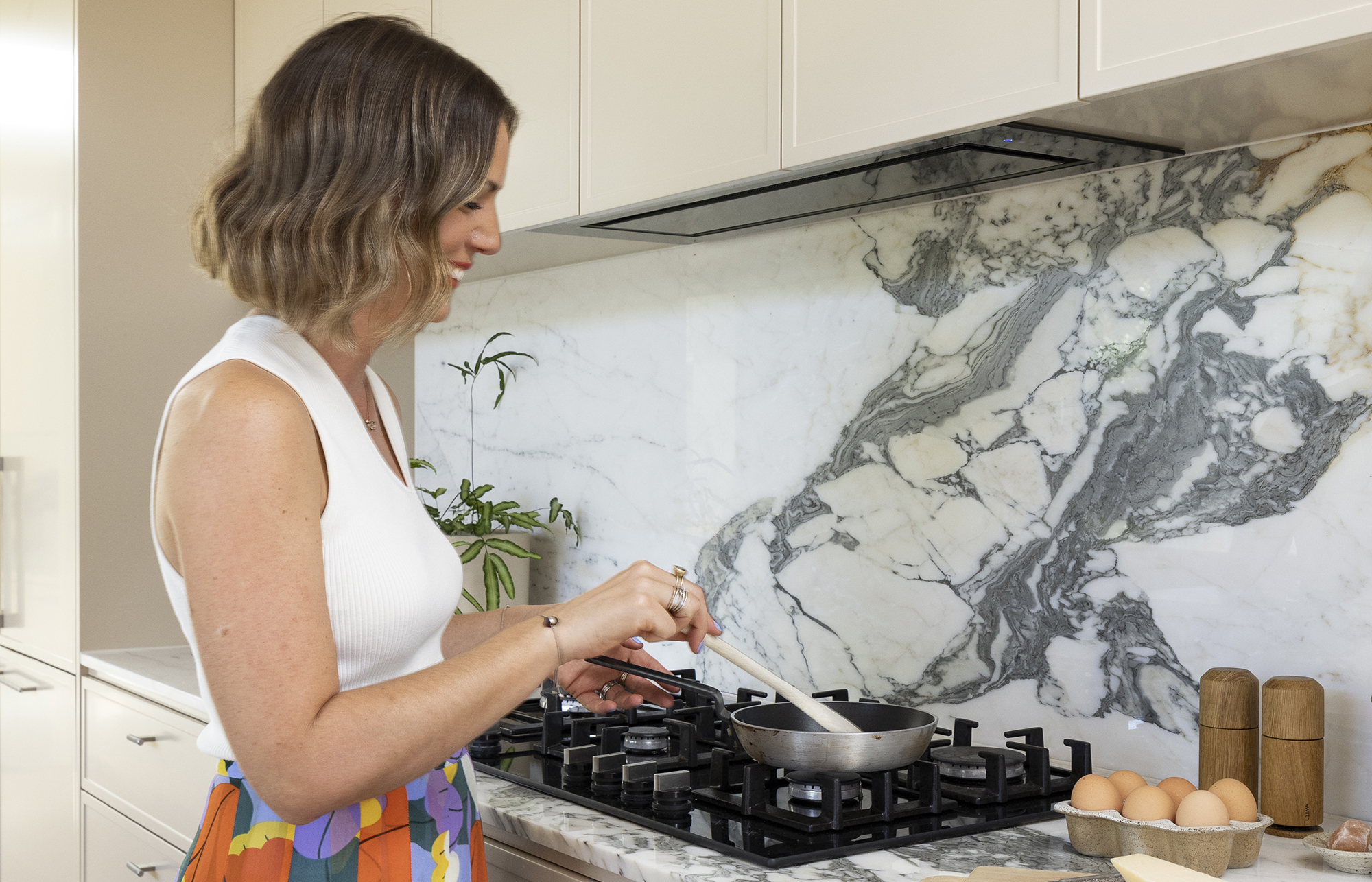
- Comfort and quality of life: Constant noise from appliances can make a home feel stressful or tiring, even when the sound isn't extremely loud. Quieter rangehoods, dishwashers, refrigerators, washing machines, air conditioners, and vacuum cleaners create a more comfortable living environment.
- Better sleep: Many appliances run at night, such as refrigerators, HVAC systems, air purifiers, and dishwashers. Lower noise levels reduce the chance of sleep disruption, which can improve overall health and well-being.
- Easier conversation and concentration: In open-plan homes, loud appliances can interfere with conversations, phone calls, studying, reading, or working from home. Quieter appliances allow people to use living spaces more flexibly.
- Perfect for the noise-sensitive: Shift workers, elderly and people with hypersensitivity, ADHD, migraines, or sleep and anxiety disorders, may find appliance noise especially uncomfortable. Reducing noise can make the home more accessible and pleasant.
Schweigen - Silent, Powerful, Healthier
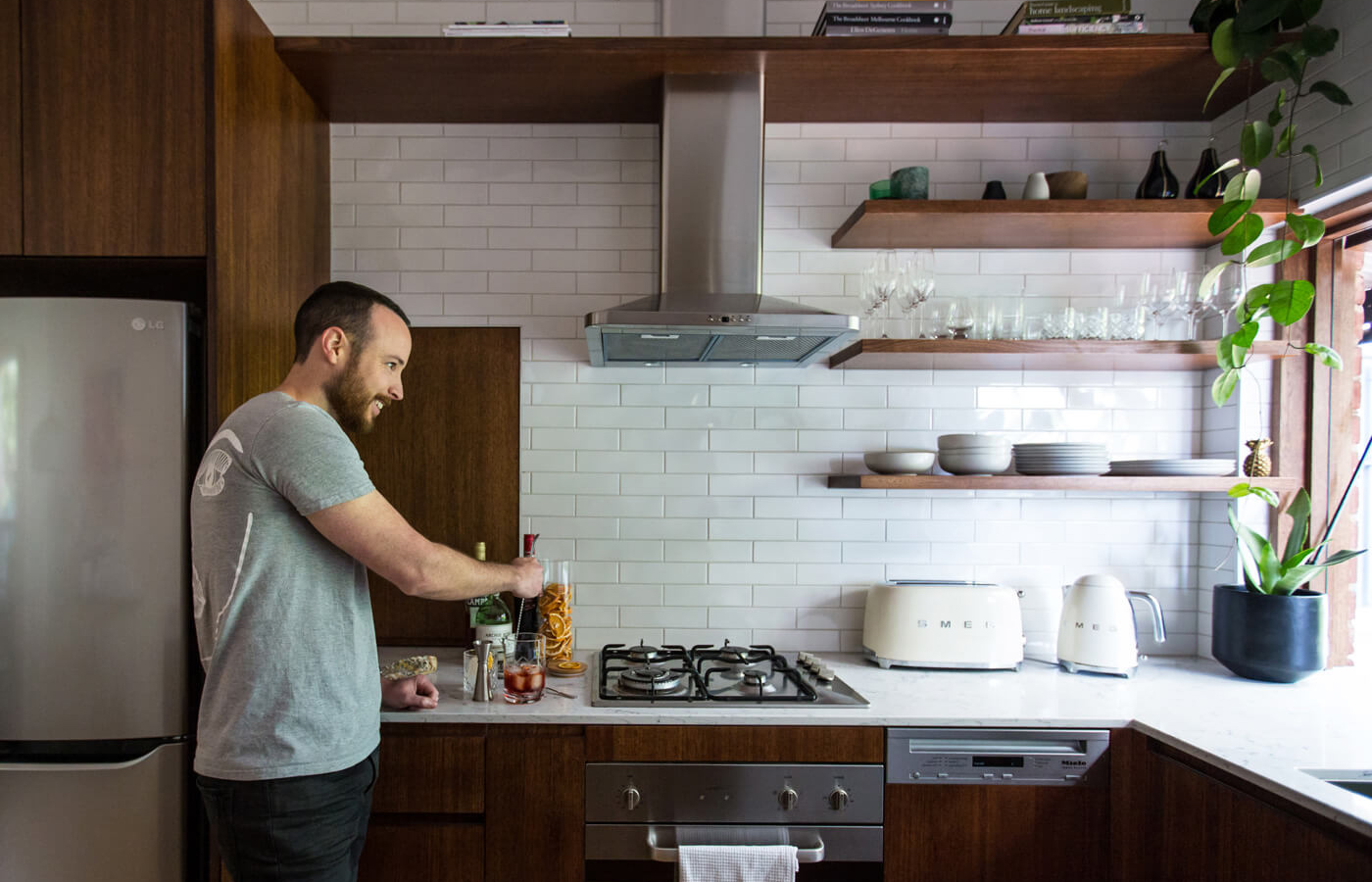
Schweigen has built its reputation at silencing one of the noisiest kitchen appliances, and improving its air extraction and energy efficiency at the same time.
By relocating the German-made Isodrive® motor away from the rangehood and setting it up along ductwork or outside the home, more powerful motors for silent, yet effective air extraction can be used. The rangehood canopy itself can be designed to maximise airflow, rather than to secure and noise-insulate a vibrating internal motor.
Installed correctly and used at the lower speeds, Schweigen silent rangehoods cannot be heard over the ambient noise within the kitchen. Wind noise may be heard at higher speeds, depending on the distance of the motor from the rangehood and the type of filters selected.
The result is a system that combines powerful extraction with a quieter kitchen experience - allowing conversations, family time and entertaining to continue without competing against the noise of a traditional rangehood.
Building or Renovating? Think About Sound Early
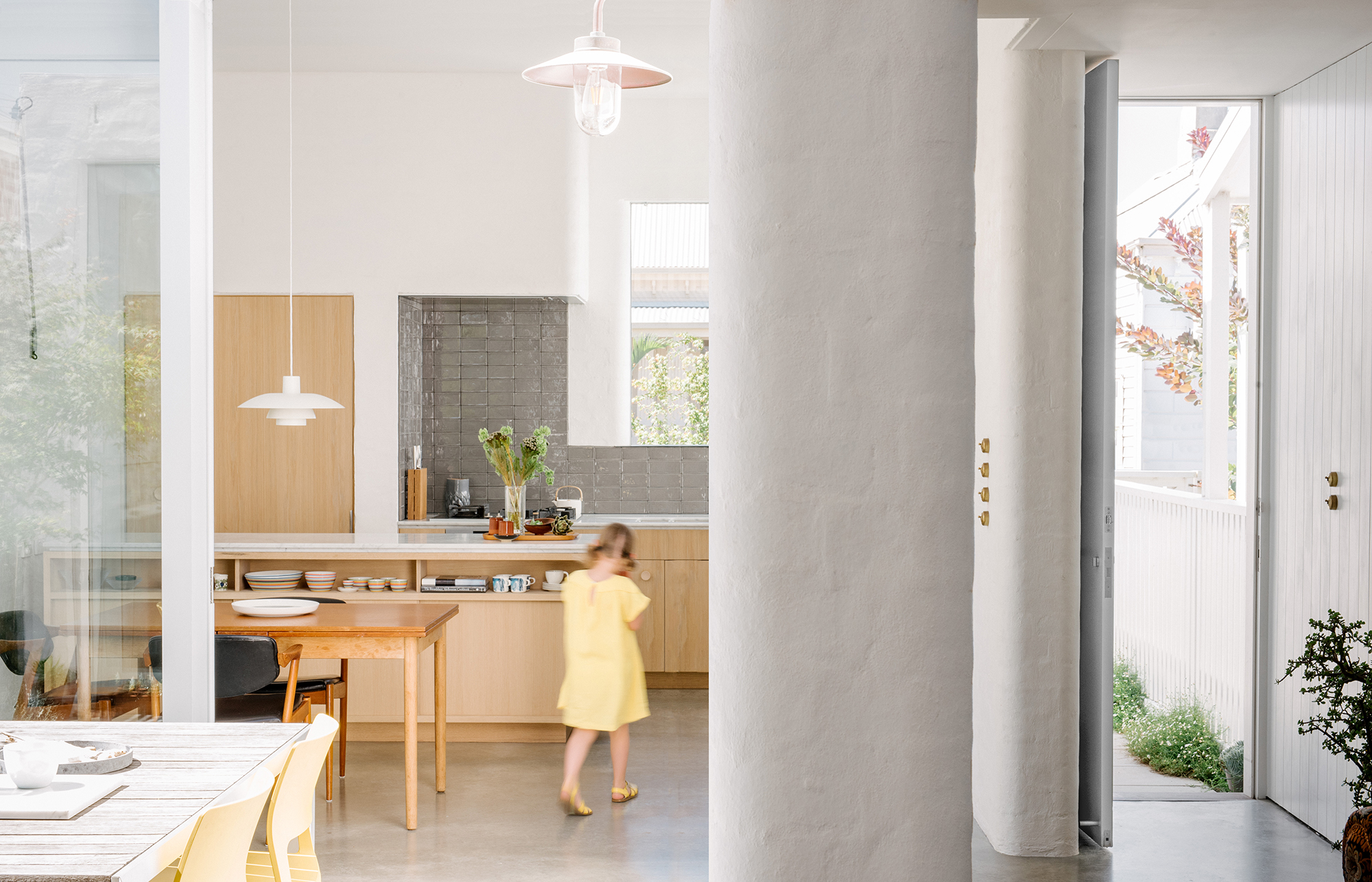
If you're planning a renovation or new build, it is worth considering acoustics from the beginning. Simple decisions in kitchen design, appliance and material selection, can all influence how a home sounds once it's lived in. The earlier these considerations are incorporated into the design process, the easier they are to achieve.
Enjoy a calmer,fresher home with a Schweigen – call 1300 881 693 for a free consult with your project today.